The Remodel
Roadmap
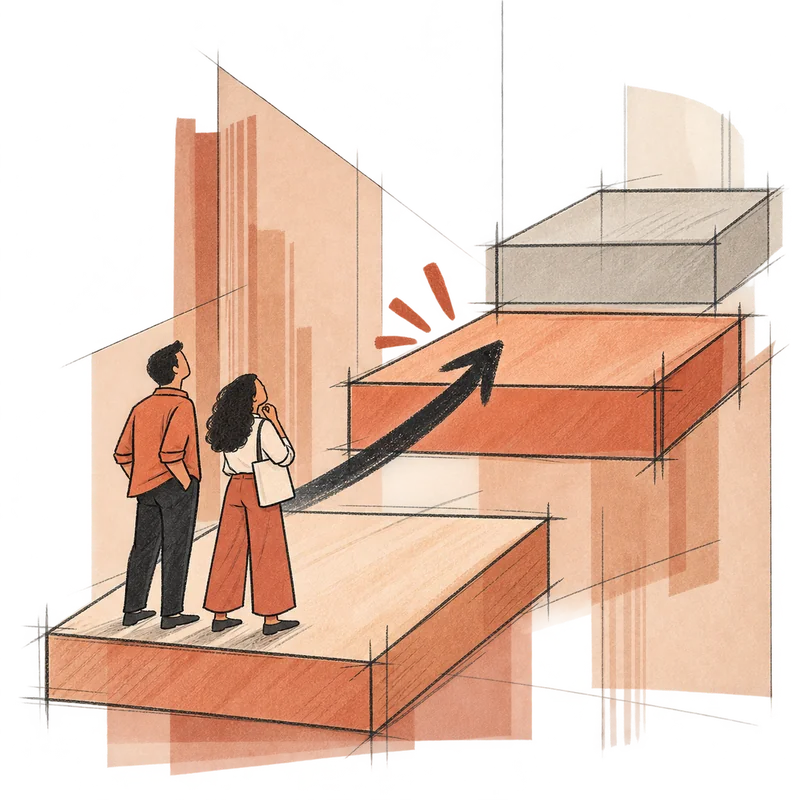
I adapted the way I organize my own remodels into seven phases you can use to plan yours. Start with the map to see what’s ahead. Then explore ten homeowner remodel planning questions to see how an answer takes shape, what you can decide now, and what can wait.
Explore the seven phasesThe seven phases I use for a remodel
From your first ideas to settling back in, each phase brings a different decision. Select one to see what to work through with your team.
Pre-project planning
What matters most for our remodel?
In my experience, pre-project planning is one of the most important phases because it sets the direction for your remodel. Your Homeowner’s Project Brief brings together what you want to change about daily life at home, what you can comfortably spend, and what your household needs during construction. It helps you choose the right professionals and gives everyone a clear sense of what to protect when plans change.
Feasibility & conceptual design
Which version of this remodel is worth pursuing?
Explore possible approaches with your team. Compare what each would give you, what the house will allow, and what it might cost before investing in detailed design.
Design development & construction documents
What exactly are we asking someone to build?
Work through the layout, materials, systems, and details. As the design and estimates get more specific, decide what to protect and where you’re willing to make a tradeoff.
Preparing for construction
Are we ready to start?
Bring contractor proposals, permits and approvals, remaining costs, scheduling, and household logistics into one picture. An early contractor conversation can happen during feasibility. This is where you confirm who will do the work, what’s included, and how the start will affect your family.
Construction
What needs our attention while the work is underway?
Know when your team needs a decision, what each option means for cost and timing, and who will follow through.
Handover & settling in
What do we need to use and care for our remodeled home?
Whether you stayed at home or moved out, walk through the work, learn how things operate, and agree on who will handle unfinished items.
Live-in refinements
Now that we’ve lived here a while, what would make everyday life work better?
Some answers only emerge after a few ordinary weeks. You might discover that morning coffee works better on the other side of the kitchen or that the reading chair needs a different light.
What are you trying to figure out about your remodel?
Choose the question on your mind. Follow the answer through the phases to see what you can do now, who can help, and which decision comes next.
When we’re ready to hire, how do we know whom to trust and what we’re paying for?
 Jason Conaway · Remodel Advisor
I’ve managed residential projects and remodeled homes of my own.
Trust builds in stages. Before you hire someone, you can learn how they listen, ask about a project like yours, and talk with a homeowner who’s worked with them. Before you sign, you should also be able to explain in your own words what this person will do, what you’ll receive, what it will cost, and what you’ll still need help with.
I’d start by deciding what you want your first commitment to cover. For a designer or architect, that might be exploring what’s possible and helping you choose a direction. Ask whether you can hire them for that first phase and what continuing afterward would involve. If you agree to work in stages, you’ll have firsthand experience to draw on when you make the next decision.
Open the step that fits where you are today. Each one shows what to do and what you can decide.
Pre-project planning
Define what a good fit looks like for your household.
What to do
Write down what you want the remodel to change about life at home and what you need from the people helping you get there. This is part of your Homeowner Project Brief, a written guide you can share with people you’re considering hiring. Include the skills and services you’re looking for, the work you expect to receive, and your standards for quality, communication, and professionalism. These give you something concrete to look for when you begin meeting professionals.
What you can decide
Which skills, services, and working habits someone needs to bring to your project for you to feel comfortable working with them.
Use your brief to understand how they would approach your project.
What to do
Share the parts of your brief that relate to the help you’re considering hiring them for. Ask how they would use that information to guide their work and develop solutions. Explore their process, likely timeline, who would work with you, and how they would help you make decisions. Their questions can also reveal how carefully they’ve understood what matters to your household.
What you can decide
Whose approach fits your needs, where expectations line up, and what you need to clarify before making a commitment.
Find out what they’re like to work with.
What to do
Ask how they keep clients informed, who your contact would be, and how quickly you can expect a response. Clarify how often they invoice, when payments are due, and which payment methods they accept.
Online reviews and social media are a starting point, but they won’t give you the full picture. When possible, speak with past clients. Did they receive updates without having to chase? Were emerging problems flagged early, while there was time to respond? Were invoices clear and timely? Ask about any long, unexplained gaps in communication.
What you can decide
Whether their communication and business practices fit your household, what expectations to agree on before hiring, and what you still need to clarify.
Feasibility & conceptual design
Get clear on what the first fee buys.
What to do
Before authorizing design work, ask the architect or designer to walk you through the proposal. “What will we have in hand at the end? Could you show us an example? How is the fee calculated, when do we pay, and what would cost extra?” Then test one assumption that matters to you. If you’re counting on an early cost estimate to choose between designs, ask who will prepare it and whether that work is included. Get the answer in writing.
What you can decide
Whether the proposed work gives you what you need to make your next decision, or whether to ask for a change before signing.
Design development & construction documents
Use your experience together to judge the next commitment.
What to do
Before moving into detailed design, look back at what happened during feasibility. Did the team follow through? When you raised a concern, did they help you understand your options? Then look ahead. Once contractors receive the drawings, who will answer their questions and help you compare proposals? Your architect may offer that service. Ask whether it’s included, available for an additional fee, or something you’ll arrange separately.
What you can decide
Whether you feel comfortable moving forward with this team, and who will handle the work between finishing the design and choosing a contractor.
Preparing for construction
Compare what each contractor has actually priced.
What to do
Give each contractor the same drawings and project information. Ask who would run the job day to day, speak with a recent client, and verify any required license and proof of insurance. Then compare the written proposals. One price might include the windows you selected, while another sets aside an estimated amount for windows you’ll choose later. Ask each contractor to explain differences like that before you compare totals.
What you can decide
Which contractor you trust to lead the work, what their price covers, and what needs clarification before you commit.
If you read a proposal twice and still can’t tell who’s responsible for something, that’s a good question to bring to me. As your remodel advisor, I can help you put your finger on what’s unclear and frame the question so you can get a useful answer from the person offering the work.
What’s the next step for your remodel?
Tell me what you’d like to change at home and where you feel stuck. We’ll build on what you’ve already figured out and choose one practical step you can take next.
After our call, I’ll email you a recap of what we discussed, how to get started on that step, and what can wait.