The Remodel
Roadmap
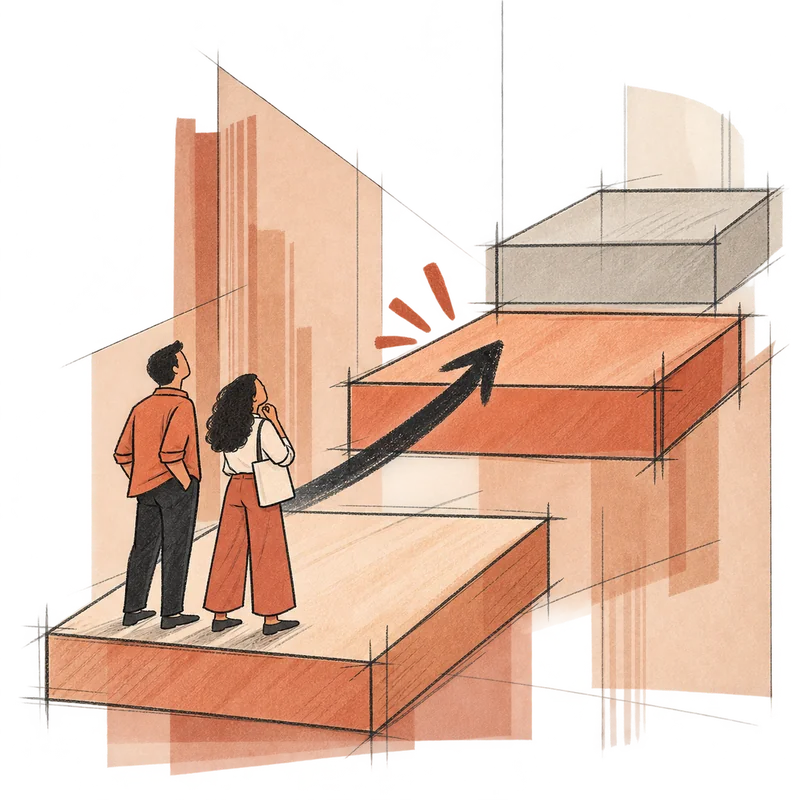
I adapted the way I organize my own remodels into seven phases you can use to plan yours. Start with the map to see what’s ahead. Then explore ten homeowner remodel planning questions to see how an answer takes shape, what you can decide now, and what can wait.
Explore the seven phasesThe seven phases I use for a remodel
From your first ideas to settling back in, each phase brings a different decision. Select one to see what to work through with your team.
Pre-project planning
What matters most for our remodel?
In my experience, pre-project planning is one of the most important phases because it sets the direction for your remodel. Your Homeowner’s Project Brief brings together what you want to change about daily life at home, what you can comfortably spend, and what your household needs during construction. It helps you choose the right professionals and gives everyone a clear sense of what to protect when plans change.
Feasibility & conceptual design
Which version of this remodel is worth pursuing?
Explore possible approaches with your team. Compare what each would give you, what the house will allow, and what it might cost before investing in detailed design.
Design development & construction documents
What exactly are we asking someone to build?
Work through the layout, materials, systems, and details. As the design and estimates get more specific, decide what to protect and where you’re willing to make a tradeoff.
Preparing for construction
Are we ready to start?
Bring contractor proposals, permits and approvals, remaining costs, scheduling, and household logistics into one picture. An early contractor conversation can happen during feasibility. This is where you confirm who will do the work, what’s included, and how the start will affect your family.
Construction
What needs our attention while the work is underway?
Know when your team needs a decision, what each option means for cost and timing, and who will follow through.
Handover & settling in
What do we need to use and care for our remodeled home?
Whether you stayed at home or moved out, walk through the work, learn how things operate, and agree on who will handle unfinished items.
Live-in refinements
Now that we’ve lived here a while, what would make everyday life work better?
Some answers only emerge after a few ordinary weeks. You might discover that morning coffee works better on the other side of the kitchen or that the reading chair needs a different light.
What are you trying to figure out about your remodel?
Choose the question on your mind. Follow the answer through the phases to see what you can do now, who can help, and which decision comes next.
What if something goes wrong? When will we find out, and what choices will we still have?
 Jason Conaway · Remodel Advisor
I’ve managed residential projects and remodeled homes of my own.
I plan for a remodel to bring some problems and changes. Experience helps your team anticipate what could go wrong. Proactivity turns that experience into useful action: checking something, resolving a question, or warning you while there’s still time to respond.
Some surprises will happen despite good preparation. Earlier warning usually gives you more choices. When a problem does arise, you want people who explain it clearly, take responsibility for their part, and work together on a sound response.
Open the step that fits where you are today. Each one shows what to do and what you can decide.
Pre-project planning
Ask how they handle a project that doesn’t go to plan.
What to do
When you interview professionals, ask about a problem they anticipated on a similar project. What did they notice, and what did they do? Then ask about something that went wrong despite their planning. How did they tell the homeowner, and what happened next?
When possible, ask past clients about those experiences too. Did concerns come to light early? Did the professional follow through on what they said they would do?
What you can decide
Whose experience, judgment, communication, and response to difficulties give you confidence in working with them.
Feasibility & conceptual design
Find out what needs checking before you choose a direction.
What to do
Ask your designer, with input from the appropriate professionals, which assumptions could substantially change the proposed work, cost, or timing. “What do we need to find out before we take this idea further?”
Have them explain what they recommend investigating, who would do it, and what the findings could change. Some questions can be settled early. Others may remain uncertain until more of the house is accessible.
What you can decide
What information is worth getting now, which uncertainties you’re comfortable carrying forward, and what could change your choice of design.
Design development & construction documents
Give important open questions an owner and a deadline.
What to do
Ask your team to identify unresolved questions that could affect the next drawings, purchase, or commitment. Who is responsible for each answer, and when is it needed?
For example, if the cabinet layout depends on an appliance you haven’t chosen, ask who will help you make the selection and who will check the dimensions before the cabinets are ordered. Your team handles the technical coordination; you need to know when a decision belongs with you.
What you can decide
Which choices you can make now, what information you still need, and where to allow more time before committing.
Preparing for construction
Agree on how concerns and changes will reach you.
What to do
Establish your main contact, a regular time for updates, and what warrants a call sooner. Ask to hear about concerns that could affect your budget, schedule, or agreed result while the team is still investigating them.
Also agree on how proposed changes will be explained and approved. Who will prepare the options? Which decisions require your approval? How will the team handle an urgent situation if you cannot be reached immediately?
What you can decide
What communication arrangement fits your household, what information you need to give an answer, and which decisions need your involvement.
Construction
Understand the problem and your choices before deciding.
What to do
Ask your team to explain what happened, what they know, and what still needs checking. Have them describe the available options, their recommendation, and what each would mean for cost, timing, and the finished home. Ask when an answer is needed and what would happen if you took more time.
Return to your Homeowner Project Brief—the priorities and limits you recorded before the work began. Use it to judge which tradeoff best protects what matters to your household. Your professionals should assess the technical suitability of the options.
What you can decide
Which tradeoff you’re willing to make, whether you have enough information to choose, and what needs an answer today.
Leave the conversation knowing who will follow through.
What to do
Confirm the next action, who will carry it out, how any cost will be handled, and when you’ll receive an update. If work needs correcting, ask who is responsible for the correction and who will check that it has resolved the problem. Record what you agree.
On a remodel of my own, a stucco subcontractor was seriously injured on another job. Our general contractor found a replacement and got the work completed well. The delay still cost time and money. A capable response helped us move forward through something we hadn’t anticipated.
What you can decide
What you need to approve, what belongs with the professionals, and when you’ll check back if an issue remains open.
Handover & settling in
Give remaining concerns a clear path to resolution.
What to do
Walk through outstanding issues with your team. Keep a written list of what remains, who is handling each item, and the expected next step or date. Ask how completed corrections will be checked.
Also find out whom to contact if a concern appears after you’ve lived in the space. Describe what you’re noticing and ask what needs attention. Keep the issue on your list until you understand what was done and whether anything remains.
What you can decide
Which concerns still need an answer, what follow-up to arrange, and whether you have enough information to consider an issue resolved.
What’s the next step for your remodel?
Tell me what you’d like to change at home and where you feel stuck. We’ll build on what you’ve already figured out and choose one practical step you can take next.
After our call, I’ll email you a recap of what we discussed, how to get started on that step, and what can wait.