The Remodel
Roadmap
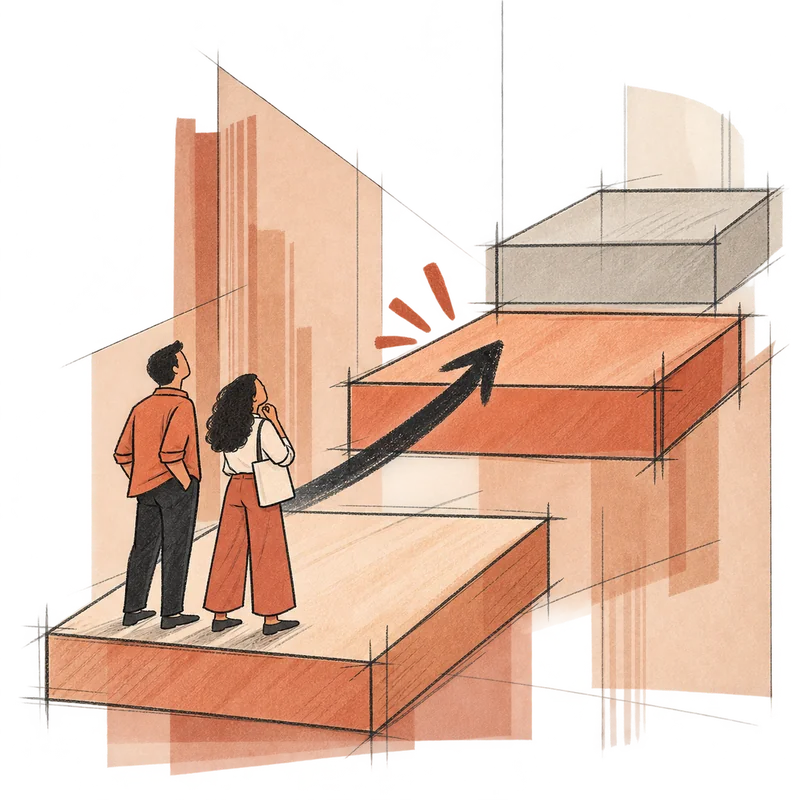
I adapted the way I organize my own remodels into seven phases you can use to plan yours. Start with the map to see what’s ahead. Then explore ten homeowner remodel planning questions to see how an answer takes shape, what you can decide now, and what can wait.
Explore the seven phasesThe seven phases I use for a remodel
From your first ideas to settling back in, each phase brings a different decision. Select one to see what to work through with your team.
Pre-project planning
What matters most for our remodel?
In my experience, pre-project planning is one of the most important phases because it sets the direction for your remodel. Your Homeowner’s Project Brief brings together what you want to change about daily life at home, what you can comfortably spend, and what your household needs during construction. It helps you choose the right professionals and gives everyone a clear sense of what to protect when plans change.
Feasibility & conceptual design
Which version of this remodel is worth pursuing?
Explore possible approaches with your team. Compare what each would give you, what the house will allow, and what it might cost before investing in detailed design.
Design development & construction documents
What exactly are we asking someone to build?
Work through the layout, materials, systems, and details. As the design and estimates get more specific, decide what to protect and where you’re willing to make a tradeoff.
Preparing for construction
Are we ready to start?
Bring contractor proposals, permits and approvals, remaining costs, scheduling, and household logistics into one picture. An early contractor conversation can happen during feasibility. This is where you confirm who will do the work, what’s included, and how the start will affect your family.
Construction
What needs our attention while the work is underway?
Know when your team needs a decision, what each option means for cost and timing, and who will follow through.
Handover & settling in
What do we need to use and care for our remodeled home?
Whether you stayed at home or moved out, walk through the work, learn how things operate, and agree on who will handle unfinished items.
Live-in refinements
Now that we’ve lived here a while, what would make everyday life work better?
Some answers only emerge after a few ordinary weeks. You might discover that morning coffee works better on the other side of the kitchen or that the reading chair needs a different light.
What are you trying to figure out about your remodel?
Choose the question on your mind. Follow the answer through the phases to see what you can do now, who can help, and which decision comes next.
Can we live here through the work? If we leave, when could we come home?
 Jason Conaway · Remodel Advisor
I’ve managed residential projects and remodeled homes of my own.
Start this conversation during pre-project planning. Where you live during construction can influence the design you choose, what the project costs, and how your family experiences the work.
You don’t need every detail settled before meeting a designer. You do need an honest picture of what your household could live with. As your team develops the design and schedule, return to that picture. You can refine your plans as you learn more.
Open the step that fits where you are today. Each one shows what to do and what you can decide.
Pre-project planning
Be honest about what your household can live with.
What to do
Talk through staying in the house, moving out, or living separately on the property. Picture an ordinary week: sleeping, making meals, taking work calls, getting children out the door, and finding some privacy. Give each person room to say what would be difficult. “We can make it work” deserves a closer look if one of you is picturing occasional noise and the other is picturing months without a kitchen.
Record your limits in your Homeowner Project Brief, the written guide to what you want from the remodel and what your household needs along the way.
What you can decide
Which living arrangements you’re willing to explore, what would make an option unworkable, and what you need to understand before choosing.
Feasibility & conceptual design
Compare the home you’d get with what it would take to live through the work.
What to do
Ask your designer, with contractor input, how each concept would affect where you can live. A more extensive remodel might require moving out and give you more of the home you described in your brief. A smaller scope might let you stay and leave more money for other priorities.
Compare the whole cost. Include temporary housing, moving, and storage. Ask what staying would add for temporary facilities, protection, coordination, or doing the work in stages.
What you can decide
Which combination of design, cost, and living arrangement is worth developing further. Aim to choose a direction before investing in detailed design.
Design development & construction documents
Turn your preferred arrangement into a practical plan.
What to do
If you hope to stay, ask your team to walk through how that would work: which rooms you could use, how you would get in and out, and how living areas would be separated from construction. Find out whether there would be periods when you need to leave.
I know a family who rented a camper and stayed on their property during construction. It worked for their budget and their tolerance for close quarters. If you’re considering something similar, have your team check permission, utilities, and safe access before you count on it. You would still be living beside a construction site.
What you can decide
Whether the arrangement still fits your household and what needs changing before the work is priced and scheduled.
Preparing for construction
Give your housing plan room for the schedule to change.
What to do
Ask prospective contractors what their proposed timeline depends on. Which permits, deliveries, and trade schedules are confirmed? What remains uncertain? What would need to be finished before your family could return?
Before committing to temporary housing, find out how an extension would work, how much notice you would need to give, and what it would cost. A six-month rental gives you some room around a four-month construction estimate, but you still need a plan if the work takes eight months. Ask what you could do if the rental cannot be extended.
What you can decide
What housing commitment and extra time your budget can support, what fallback you’ll have, and when you’ll need to revisit the arrangement.
Construction
Revisit the plan before your housing deadlines arrive.
What to do
Agree on regular schedule updates and ask to hear promptly about changes that could affect where you live or when you return. Ask your contractor to explain what has changed, what options are available, and what the revised timing depends on.
Compare that information with rental notice dates, school schedules, and other household commitments. If staying at home is becoming harder than expected, say so early. You can reconsider the arrangement as you discover what daily life is actually like.
What you can decide
Whether to extend your stay away, arrange a temporary break from the house, or make another change—and when you need to act to keep that option available.
Handover & settling in
Confirm the house is ready for your family to return.
What to do
Before ending your rental or booking movers, ask your contractor and the responsible professionals to confirm what must be complete, inspected, or approved for you to return. Then walk through what daily life would look like. Can you use the rooms and facilities you need? What work would remain, and when would people need access?
Agree on cleaning, moving, and follow-up work. If you stayed throughout construction, use the same conversation to establish when you can reclaim the rooms you’ve been living around.
What you can decide
Once the required conditions are met, whether the remaining work fits your household’s limits or whether more time away would be worth the cost.
What’s the next step for your remodel?
Tell me what you’d like to change at home and where you feel stuck. We’ll build on what you’ve already figured out and choose one practical step you can take next.
After our call, I’ll email you a recap of what we discussed, how to get started on that step, and what can wait.